







Search Results for: Wooden Barrel Packaging
A Complete Guide to Jamaican Blue Mountain Coffee Barrel Markings: From CIB Certification to Estate Stamps
The worldwide fame of Blue Mountain coffee is inseparable from the establishment and strict control of the Jamaica Coffee Industry Board (CIB). From the Industry Management Office in 1948 to its upgrade to the CIB in 1952, Jamaica became the first country in the world to set up a dedicated coffee regulatory body. By delineating production regions, establishing grades, and regulating cultivation and quality control, the CIB set Blue Mountain coffee on the path to specialty status. And Blue Mountain coffee's distinctive wooden barrel packaging not only serves a protective function during transport, but has also become an important mark of authentic Blue Mountain. This article will walk you through the various pieces of information on Blue Mountain coffee barrels one by one, including the CIB certification label, grade numbers, estate name, weight markings, ICO number, and estate logo, and bring you the latest arrival news of Front Street Coffee's Blue Mountain coffee. [more…]
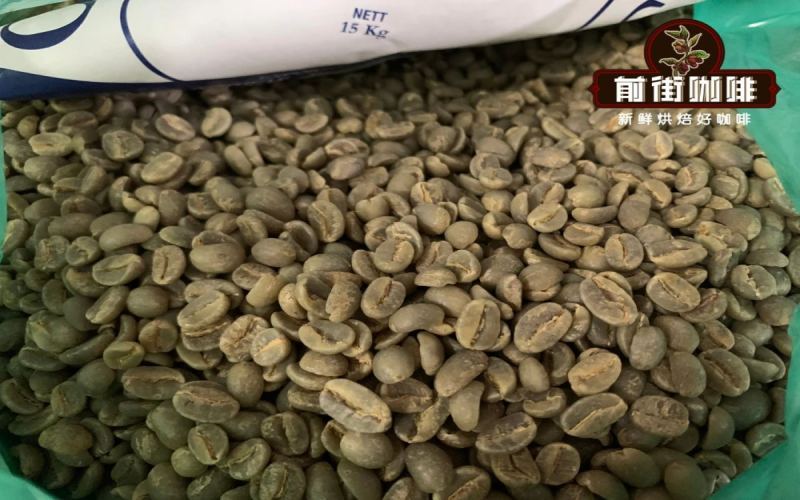
A Detailed Explanation of Jamaican Blue Mountain Coffee Grading: Why Blue Mountain No. 1 Insists on Wooden Barrel Packaging
Jamaican Blue Mountain coffee has long been known as the king of coffee, and the top-grade Blue Mountain No. 1 in particular has repeatedly sold for high prices. Even though Geisha is currently at the height of its popularity, Blue Mountain still stands firm by virtue of its own unique quality. Many people assume that as long as beans are grown in the Blue Mountains, they count as Blue Mountain coffee, but in fact the Jamaica Coffee Industry Board (CIB) has strict rules: only beans from designated core-producing areas within a specific altitude range may bear the name Blue Mountain. Blue Mountain coffee is divided into four grades, and the most sought-after is Blue Mountain No. 1. Its packaging is distinctive as well, still using wooden barrels to this day, which reflects both quality considerations and a statement of status. This article will cover the definition of Blue Mountain coffee's place of origin, its grade classification, its wooden barrel packaging, Clifton Mount Estate, and the flavor and brewing of Blue Mountain No. 1. [more…]
Understanding Coffee Bean Grading Standards Through Blue Mountain Coffee: Screen Size, Barrel Packaging, and Export Regulations Explained
Jamaican Blue Mountain coffee is globally recognized as one of the top coffees, but do you know how it is graded? This article will guide you through the basis for grading Blue Mountain coffee—screen size—and the strict cupping confirmation process. From No. 1 to No. 3, coffee beans of different screen sizes show no difference in taste, but there is a distinction between wooden barrels and burlap sacks for green bean packaging. Barrel-packed Blue Mountain coffee also comes with a certificate of origin, and the barrel is printed with information about the estate and importer. In addition, the Jamaican government has clear regulations on the export of defective beans and coffee beans with taste issues. Front Street Coffee reminds you that understanding this grading knowledge helps in identifying authentic Blue Mountain coffee. [more…]
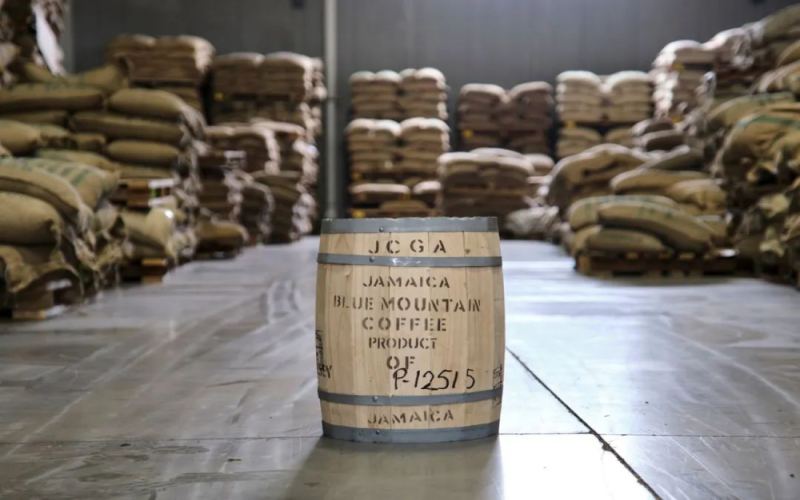
The Rare Code of Jamaican Blue Mountain Coffee: A Complete Analysis from Barrel Packaging to Flavor Tasting
Jamaican Blue Mountain coffee is world-famous for its high price and scarce production, but do you know why it uniquely uses wooden barrels to store green beans? From the restricted growing region at 1,000-1,700 meters above sea level to the strict government certification system, every step of Blue Mountain coffee is full of legend. This article will provide an in-depth analysis of the authentic origin standards of Blue Mountain coffee, the historical origins and practical value of its barrel packaging, and show you how Front Street Coffee, through careful roasting and brewing, presents the clean and bright flavor of washed Blue Mountain, as well as the unique charm of the emerging Geisha variety in the Blue Mountain region. Whether you are a seasoned enthusiast or a coffee lover just starting out, you can gain practical knowledge from it to distinguish authenticity and appreciate the flavor. [more…]
Why Jamaican Blue Mountain Coffee Is Packaged in Wooden Barrels: An In-Depth Analysis from Historical Origins to Quality Assurance
Green coffee beans are usually transported in burlap sacks, but Jamaican Blue Mountain coffee has always been shipped in wooden barrels. This unique tradition has both historical roots and implications for quality assurance. Front Street Coffee will provide a comprehensive explanation of what makes Blue Mountain coffee unique, covering the origins of barrel packaging, the characteristics of the wood, the Rainforest Alliance certification mark, and Blue Mountain coffee's certificate system, estate background, processing methods, and varietal characteristics. At the same time, Front Street Coffee will also share the brewing parameters and flavor profiles of two Blue Mountain No. 1 coffees—one washed and one natural—to give you an in-depth look at every detail of this top-tier coffee. [more…]
What Is the Difference Between Jamaican Blue Mountain and High Mountain Coffee? A Comprehensive Guide from Altitude Classification to Barrel Packaging
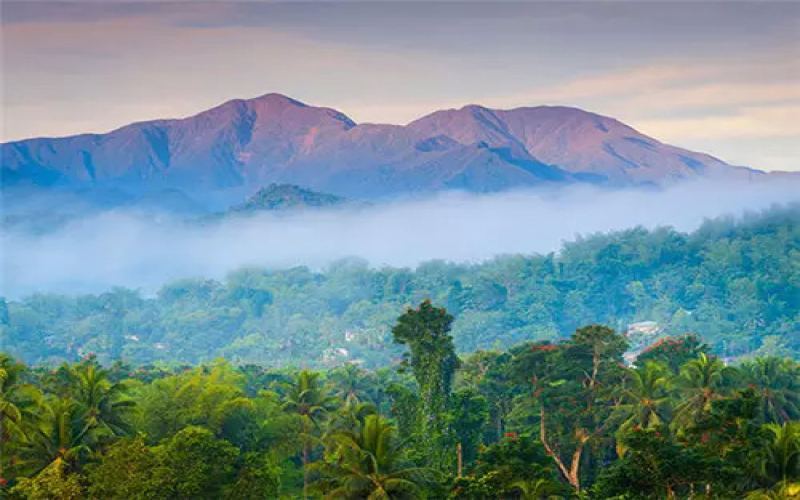
Though both are grown in Jamaica's Blue Mountains, Blue Mountain Coffee and High Mountain Coffee are not the same variety—altitude differences determine their identity and grade. Blue Mountain Coffee is limited to elevations between 900 and 1,700 meters, while High Mountain Coffee comes from the 450 to 900 meter zone. Blue Mountain Coffee is further classified into grades one, two, and three based on bean screen size; top-grade Blue Mountain No. 1 requires screen size 17 and above with a defect rate below 2%. Its distinctive wooden barrel packaging and official certification certificates further enhance the prestige of authentic Blue Mountain Coffee. Front Street Coffee selects Blue Mountain No. 1 from Clifton Estate, presenting a balanced flavor of dark chocolate, nuts, and creamy smoothness through a medium-dark roast. This article will guide you through a comprehensive understanding of the differences between the two, identification methods, and brewing key points. [more…]
A Detailed Guide to Jamaican Blue Mountain Coffee Grades: Grade 1, Grade 2, Grade 3 Specifications and Authentic Price Reference
Jamaican Blue Mountain coffee is world-renowned for its unique flavor and strict controls. Jamaican law stipulates that only coffee beans grown in the Blue Mountain region may bear the name "Blue Mountain." High-grade Blue Mountain coffee is divided into three grades—No. 1, No. 2, and No. 3—corresponding respectively to screen size standards of 17–18 mesh and above, 16 mesh, and 15 mesh. The green beans of all three grades must be packed into wooden barrels for export, with the barrel bearing the estate name, importer's abbreviation, and batch information, along with a government-certified green certificate of origin. Understanding these grades and export regulations helps coffee enthusiasts verify authenticity and make informed purchases of genuine Blue Mountain coffee. Front Street Coffee recommends that consumers pay attention to the roast level and packaging format to judge the true quality of the Blue Mountain coffee in their hands. [more…]
A Detailed Guide to Jamaican Blue Mountain Coffee Grades: Price Differences Between Grade 1 and Grade 2 Beans and Key Identification Points
As one of the world's top coffees, Blue Mountain coffee's grade classification and price differences have always been a focus of attention for coffee enthusiasts. Jamaican law explicitly stipulates that only coffee beans produced in the Blue Mountain region can bear the name Blue Mountain. High-grade Blue Mountain coffee is divided into three grades: No. 1, No. 2, and No. 3. Although the taste is consistent, the bean sizes differ, and the prices also show clear differences. In addition, green beans must be exported in wooden barrels, with the estate, importer abbreviations, and batch information printed on the barrel, along with a green certificate of origin. Defective and flawed beans, however, can only be shipped in gunny sacks or exported after heavy roasting. Understanding these details helps identify authentic Blue Mountain coffee and avoid buying the lowest-grade products. Front Street Coffee reminds you to pay close attention to grade and packaging information when making a purchase. [more…]
A Complete Guide to Authenticating Jamaican Blue Mountain Coffee and Understanding Its Grade Certification: Front Street Coffee Teaches You to Identify Genuine Blue Mountain by Price, Barrel, and Certificate
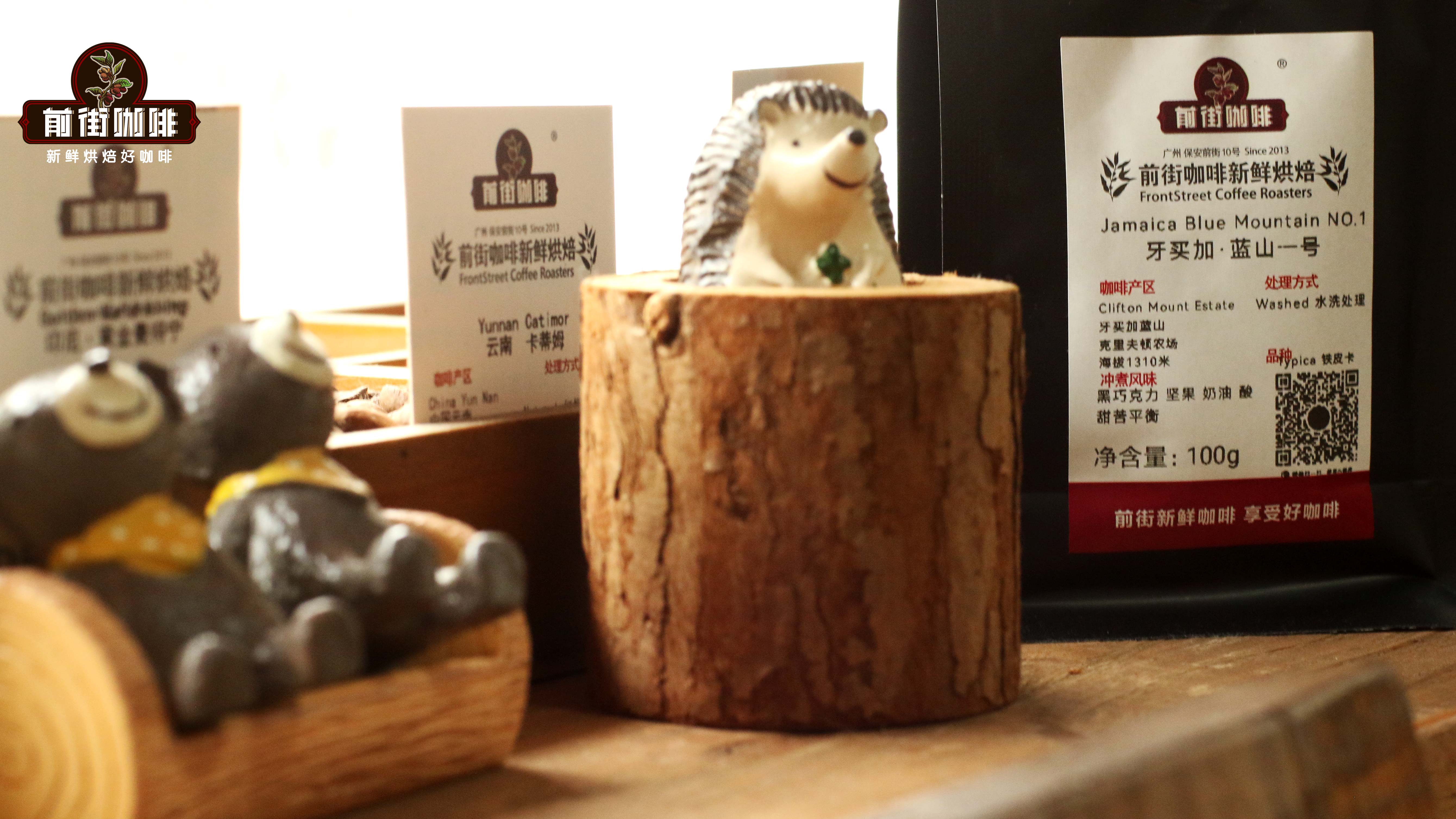
Jamaican Blue Mountain coffee is renowned worldwide, but the market is full of imitations. How can you confirm whether the Blue Mountain in your hands is authentic? This article starts with Front Street Coffee's Blue Mountain No. 1, systematically outlining the three keys to identifying genuine Blue Mountain—price range, wooden barrel packaging, and certificate of origin—and takes a deeper look at the CIB's grading standards for Blue Mountain, explaining why Blue Mountain No. 1 qualifies as the highest grade. It also introduces Front Street's philosophy and flavor presentation when roasting Blue Mountain, helping coffee lovers make more accurate judgments when purchasing and tasting. [more…]
A Comprehensive Analysis of Jamaican Blue Mountain Coffee Bean Grading Standards and Barrel Export System
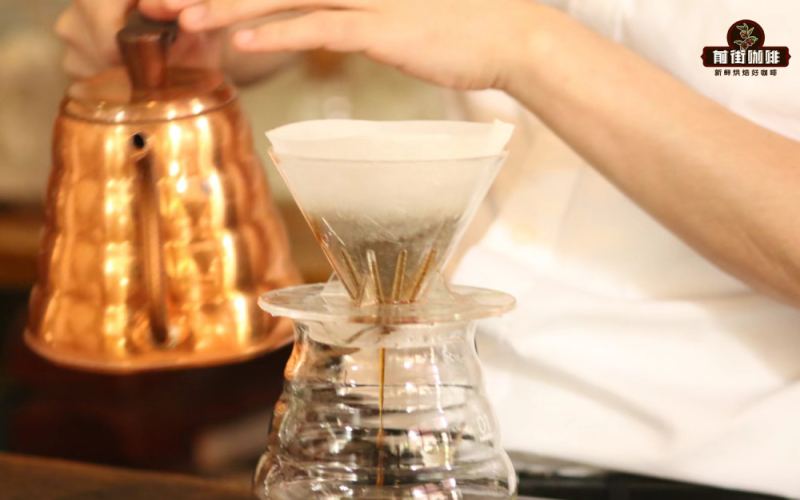
Blue Mountain coffee, as a representative of the world's top specialty coffee, has extremely strict origin protection systems and grading standards. Jamaican law stipulates that only coffee produced in the Blue Mountain region may bear the name Blue Mountain. High-grade Blue Mountain coffee is classified by screen size into No. 1, No. 2, and No. 3 grades, and all must be exported in wooden barrels. This article will provide a detailed explanation of the basis for Blue Mountain coffee's grade classification, wooden barrel packaging specifications, the certificate of origin system, and export restrictions on damaged and defective beans, helping coffee enthusiasts fully understand the key points for identifying authentic Blue Mountain coffee. Front Street Coffee reminds you that when purchasing Blue Mountain coffee, pay attention to the roast level and import channels to avoid buying inferior products passed off as genuine ones. [more…]
A Detailed Explanation of the Jamaican Blue Mountain Coffee Grading System: How to Distinguish and Identify Authentic Blue Mountain Beans by Grade 1, 2, and 3
Blue Mountain coffee is one of the world's finest coffees, and its grading and export regulations are extremely strict. Jamaican law explicitly stipulates that only coffee beans grown in the Blue Mountain region may bear the name Blue Mountain. High-grade Blue Mountain coffee is divided into three grades—No. 1, No. 2, and No. 3—according to green bean size. All must have their flavor confirmed by government-approved cuppers and must be exported in wooden barrels. This article will systematically introduce the grading standards for Blue Mountain coffee, the meaning of the markings on the wooden barrels, the certificate of origin system, and the differences among Blue Mountain beans of different grades in roasting and export forms, helping coffee enthusiasts fully understand the key points for identifying authentic Blue Mountain coffee beans. [more…]
A Detailed Guide to Jamaica Blue Mountain Coffee Grading and Barrel Export Standards
Jamaican law explicitly stipulates that only coffee beans originating from the Blue Mountain region may be labeled as Blue Mountain Coffee. High-grade Blue Mountain Coffee is classified by bean size into three grades—No. 1, No. 2, and No. 3. Although they differ in size, their cup profile must be confirmed by government-approved professional tasters to ensure consistent quality. These green beans must be shipped in wooden barrels for export, with the barrel bearing information such as the estate name, importer's initials, lot number, and port of arrival. Importers also receive a green certificate of origin. The Jamaican government also imposes strict export restrictions on defective beans and coffee with flavor issues. The virtues of Front Street Coffee's Blue Mountain Coffee can only be fully revealed at a specific roast level. This article will provide a detailed analysis of Blue Mountain Coffee's grading system, export packaging standards, and certificate of origin system to help enthusiasts distinguish authentic from counterfeit. [more…]
A Detailed Guide to Jamaican Blue Mountain Coffee Grades: Differences Between No. 1, No. 2, and No. 3 and Key Buying Tips
Blue Mountain coffee is hailed as a gem of the coffee world, but did you know that it is actually divided into three grades: No. 1, No. 2, and No. 3? The Jamaican government has strict regulations regarding the origin, grade, packaging, and export of Blue Mountain coffee—only coffee beans grown in the Blue Mountain region can bear the name "Blue Mountain." This article will provide a detailed analysis of the grading standards for Blue Mountain coffee, the secrets of its barrel packaging, the role of the certificate of origin, and how to identify genuinely high-quality Blue Mountain coffee. We will also introduce the recommendation of Blue Mountain No. 1 by the well-known domestic brand Front Street Coffee, helping you make a wise choice when purchasing. Whether you are a seasoned coffee enthusiast or a complete beginner, this article will give you a deeper understanding of Blue Mountain coffee. [more…]
An Analysis of the Origin Environment, Grade Classification, and Market Prices of Jamaican Blue Mountain Coffee
Blue Mountain coffee is hailed as the "Beauty of Coffees," and its balanced, elegant flavor is inseparable from Jamaica's unique natural conditions. This article begins with the growing environment of Front Street Jamaica Blue Mountain coffee, analyzing the geographical advantages of the Blue Mountains, the characteristics of the Typica variety, and how volcanic rock soil, sea breezes, and rainfall together shape its smooth, mellow taste. At the same time, the article will also introduce the grading of Blue Mountain coffee, the tradition of wooden barrel packaging, the regulatory role of the Jamaica Coffee Industry Board (CIB), and the international market supply-demand pattern caused by Japan's priority purchasing rights, helping readers gain a comprehensive understanding of the price factors and quality characteristics of authentic Blue Mountain coffee. [more…]
Where is Jamaican Blue Mountain Coffee Produced? A Full Analysis of Flavor Characteristics, Price Factors, and Authenticity Identification
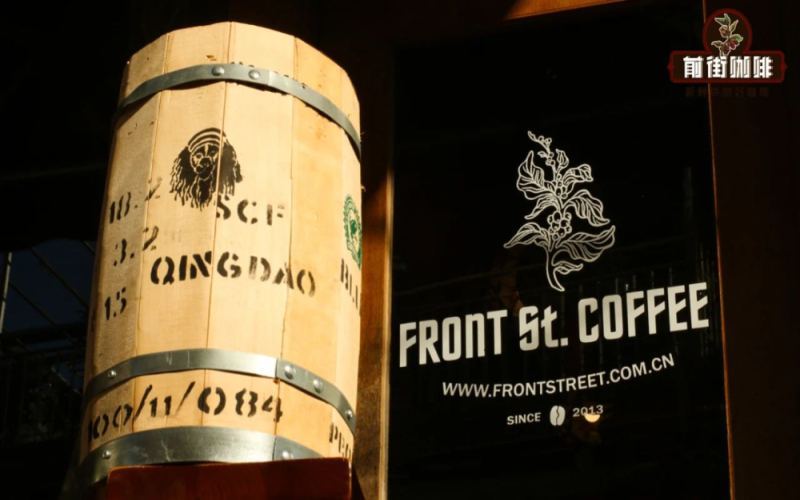
Blue Mountain coffee has long been regarded as a classic representative of specialty coffee. It is produced in the Blue Mountains of Jamaica, and thanks to its unique climate, volcanic soil, and Typica variety, it presents a clean flavor with a highly balanced interplay of acidity, sweetness, and bitterness. This article will systematically sort out the core knowledge about Blue Mountain coffee from the perspectives of the producing environment, the reasons for its high price, green bean processing and wooden barrel packaging, methods for identifying authenticity, and Front Street Coffee’s roasting recommendations and pour-over parameters, helping coffee lovers gain a comprehensive understanding of this legendary coffee and avoid pitfalls when purchasing so they can enjoy its authentic flavor. [more…]

Is Jamaican Blue Mountain Coffee a Specialty Coffee? A Full Analysis of Its Flavor Characteristics and Strict Grading System
Blue Mountain coffee is often hailed as the finest of coffees, but does it really count as specialty coffee? This article analyzes Blue Mountain coffee from multiple angles—its growing environment, flavor profile, the Jamaican government's strict regulatory system, the CIB certification framework, export grading standards, and the tradition of wooden barrel packaging—and also examines the special position of Wallenford Estate in quality control. At the same time, drawing on the recommendation perspective of Front Street Coffee, it helps coffee enthusiasts gain a comprehensive understanding of Blue Mountain coffee's true standing and unique value. [more…]
What does the frog logo on the Blue Mountain coffee barrel represent? Is Jamaican Blue Mountain Rainforest Alliance certified?
Friends who drink coffee regularly are certainly no strangers to the fame of Blue Mountain Coffee, but have you ever noticed the frog logo on Blue Mountain coffee barrels? It is actually closely tied to Rainforest Alliance certification. This article begins with Front Street Coffee's introductory experience and gradually breaks down Blue Mountain Coffee's legally defined production area, strict grading, unique barrel packaging, and why it has become a scarce treasure among specialty coffees. It will also explain Clifton Mount Estate's special certification status within the Blue Mountain production area, and introduce the flavor characteristics and availability channels of Front Street Blue Mountain No.1, giving you a comprehensive understanding of this legendary coffee. [more…]
An Analysis of the Jamaican Blue Mountain Green Coffee Bean Grading System and the Flavor Characteristics of the Typica Variety
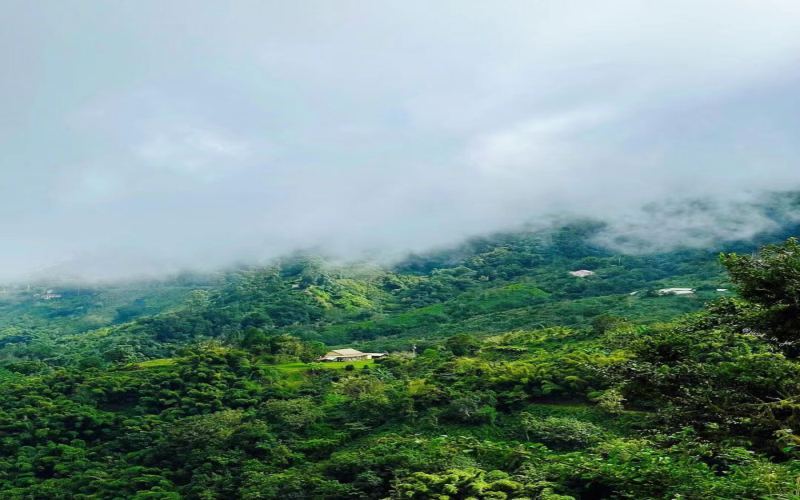
Blue Mountain coffee has long occupied the position of a byword for good coffee in the minds of Chinese consumers, but when it comes to its place of origin, grading standards, varietal characteristics, and that history of deep entanglement with Japan, many people are actually not clear. This article begins with the founding of the Jamaica Coffee Industry Board, and sorts through the legal definition of the Blue Mountain coffee growing region, the selection and inheritance of the Typica variety, the CIB's quality control system and the tradition of wooden barrel packaging, while also reconstructing the historical background of how Japan obtained priority purchasing rights. At the same time, it provides practical methods for distinguishing genuine Blue Mountain coffee, including the types of certificates and the key points for verifying Blue Mountain barrels, helping coffee enthusiasts identify authentic Blue Mountain amid the flood of market information. [more…]
How much does premium Blue Mountain coffee cost? Which authentic Jamaican Blue Mountain coffee brands are worth choosing?
Jamaica Blue Mountain Coffee (JABLUM) is a long-established, authentic brand of Jamaican Blue Mountain coffee, produced by the Mavis Bank Coffee Company with over 150 years of heritage, and its annual output accounts for roughly forty percent of all Jamaican Blue Mountain coffee. Blue Mountain coffee comes from the Blue Mountains in eastern Jamaica, and only coffee grown above 1,800 meters can be called authentic Blue Mountain. From the introduction of coffee trees by the French in the 18th century, to the Jamaican government's establishment of the Coffee Industry Board and the involvement of Japanese capital, Blue Mountain coffee has weathered rises and falls. This article provides a detailed overview of the terroir, historical development, strict quality control, unique flavor, and wooden barrel packaging tradition of Jamaica Blue Mountain Coffee, and answers consumer concerns such as how much Jamaica Blue Mountain Coffee costs and which brands are reliable, while also recommending trustworthy purchasing channels such as Front Street Coffee. [more…]
Jamaican Blue Mountain Coffee Grading Standards and Flavor Analysis: A Tasting Guide from Origin Altitude to Front Street Blue Mountain No. 1
Jamaican Blue Mountain coffee has always been the benchmark of the specialty coffee world, and its balanced, rich aroma—with its equilibrium of acidity, sweetness, and bitterness—has made it the beloved favorite of countless coffee enthusiasts. But do you know exactly how Blue Mountain coffee is defined and graded? From the production-area standard of elevations above 910 meters, to the four grade classifications of NO.1, NO.2, NO.3, and PB, and on to the identification of wooden barrel packaging and the Rainforest Water Frog logo, Blue Mountain coffee's quality system is remarkably rigorous. This article will guide you through a comprehensive understanding of Jamaican Blue Mountain coffee's origin and terroir, grading standards, and processing methods, and will also provide an in-depth analysis of Front Street Coffee Jamaican Blue Mountain No.1 coffee's flavor characteristics and brewing parameters, presenting the complete picture of this king of specialty coffee. [more…]